1 / 3
Fine Worcester Wall-Period Bowl
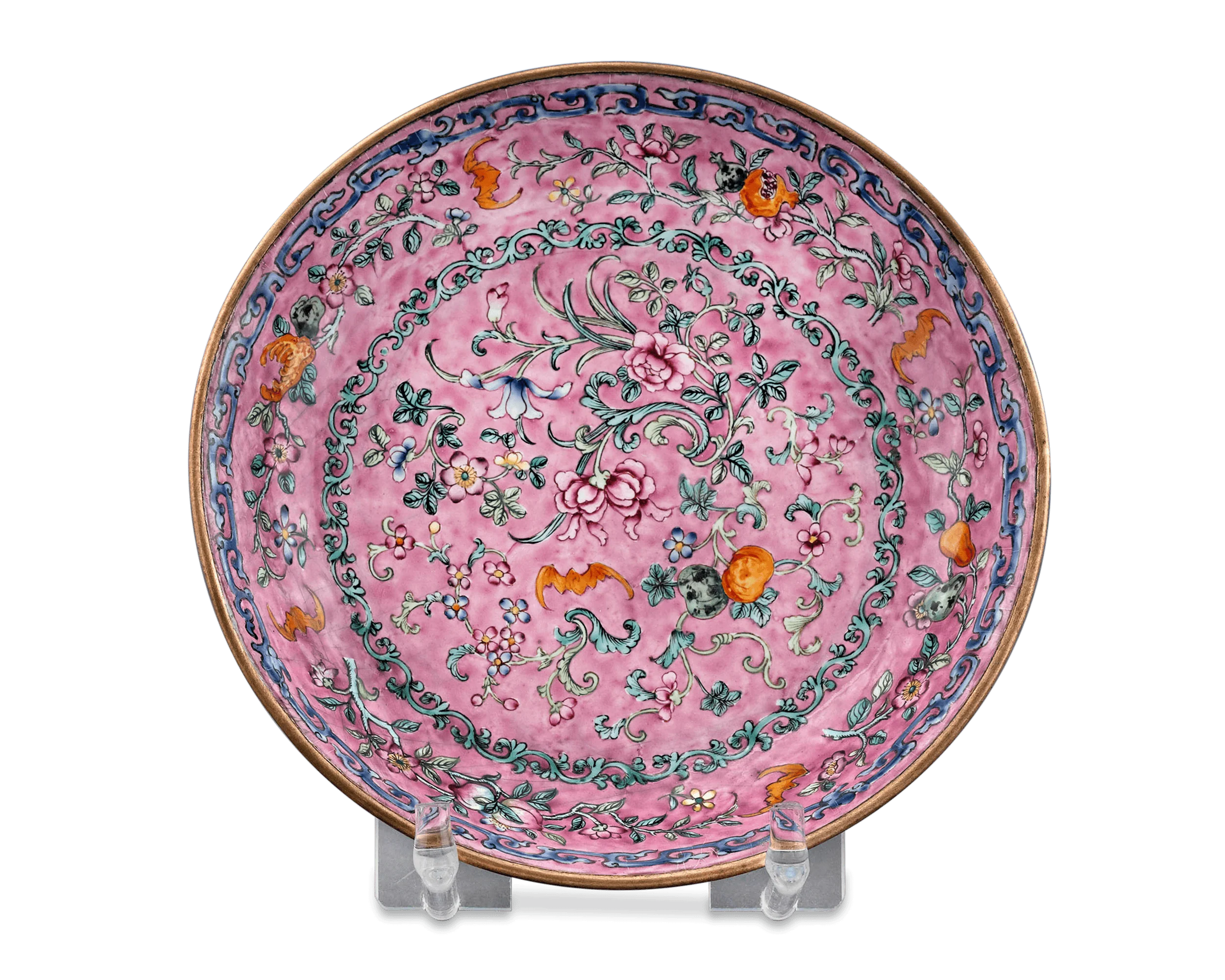
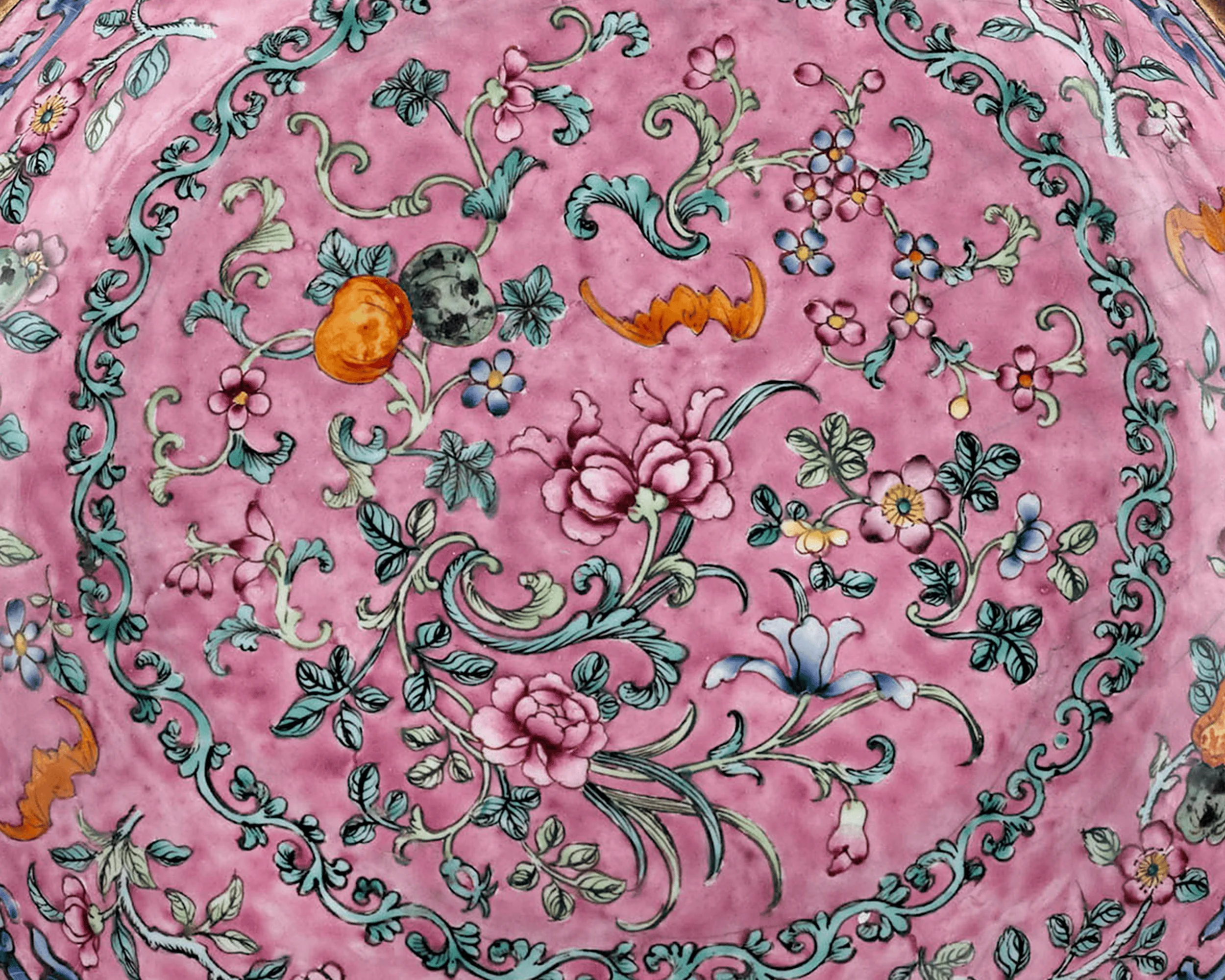
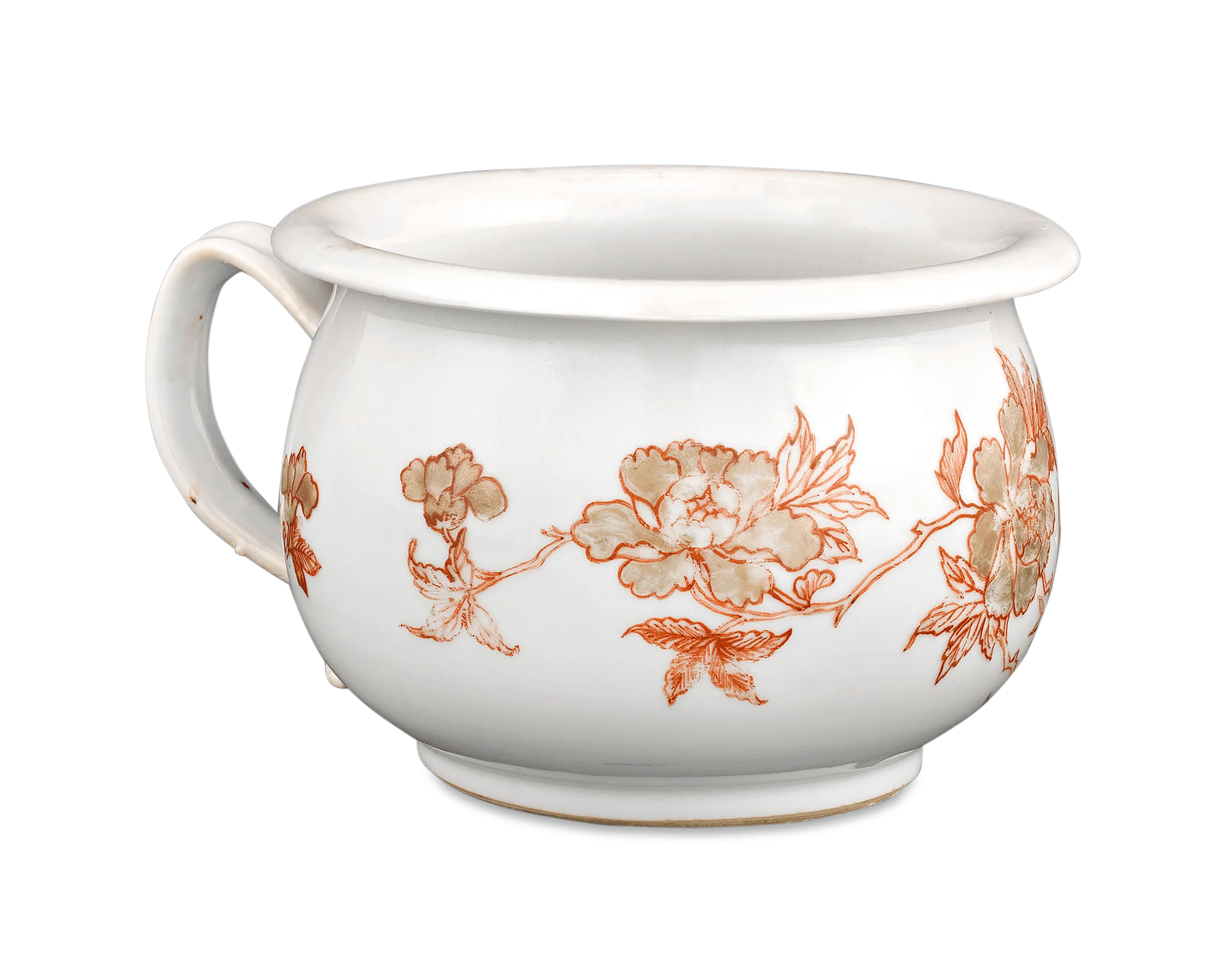
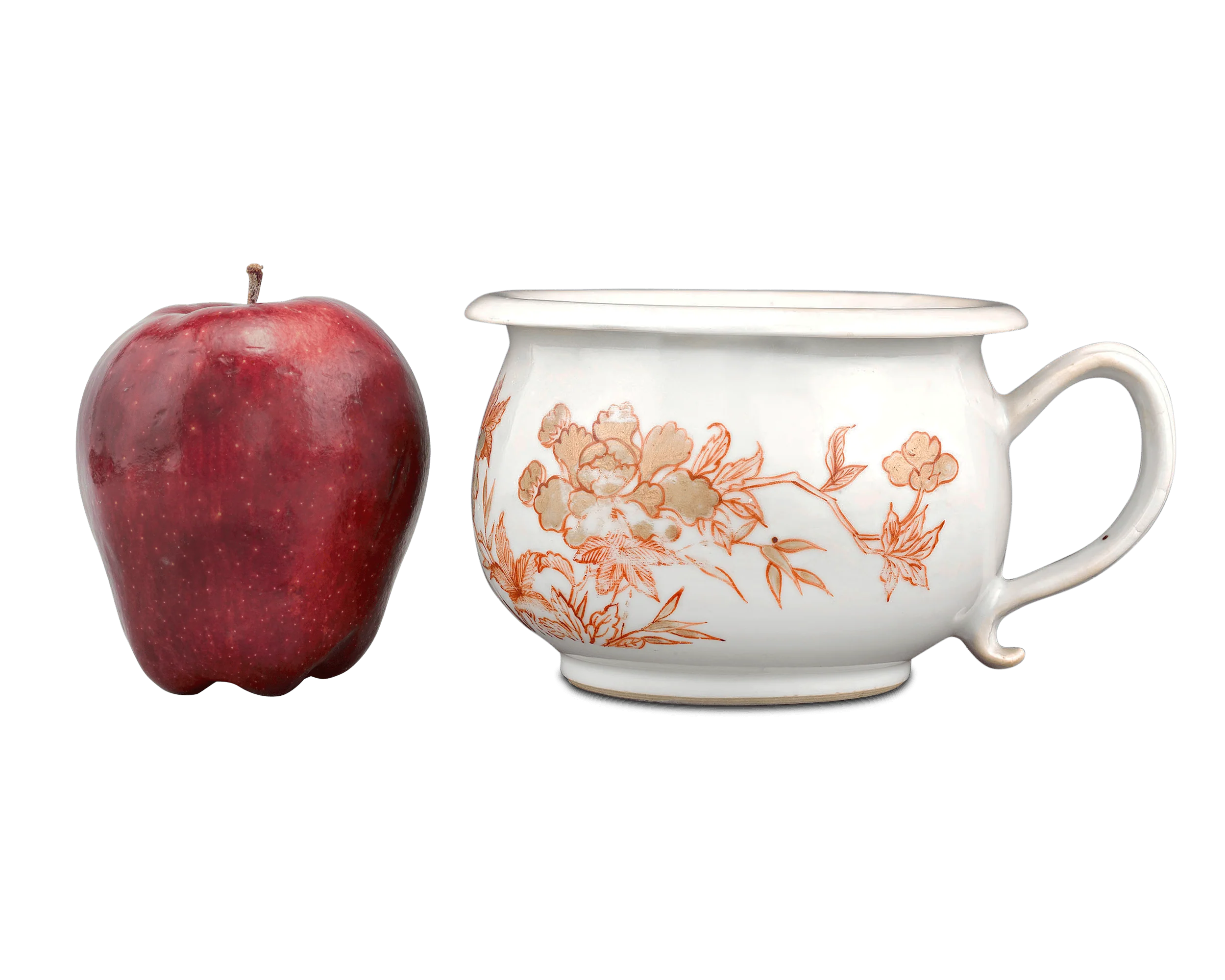
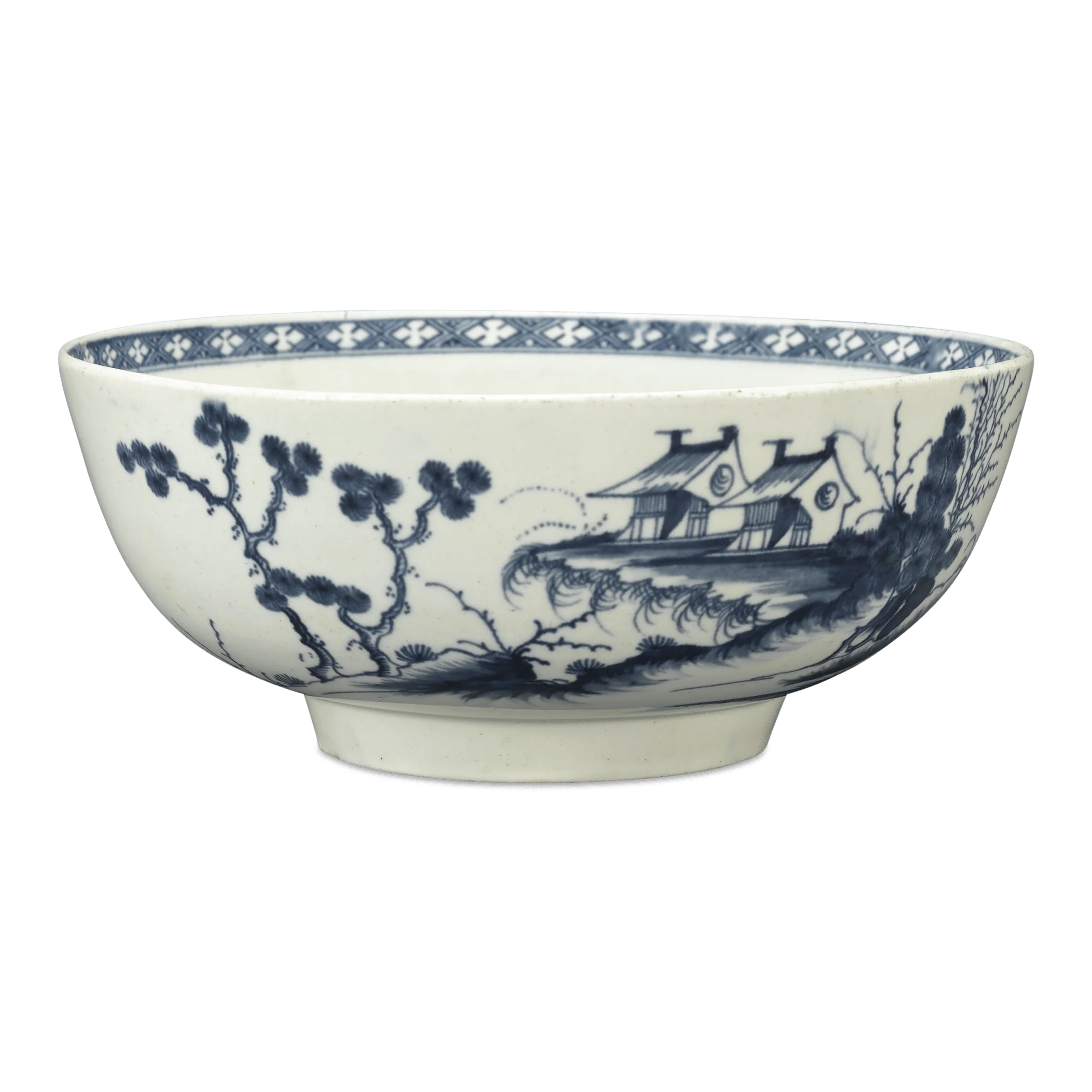
A phenomenal example of Worcester porcelain created during the direction of its co-creator, Dr. John Wall. In 1750, Dr. Wall and his partner, the apothecary William Davis, discovered a method for making quality porcelain. With the financial assistance of 13 local businessmen, the pair established a factory at Warmstry House, Worcester, with the understanding by all parties to keep the formula of the porcelain a secret. By 1755, Worcester was making the best blue and white English porcelain wares ever created. This bowl is a rare survivor of this early period and remains in excellent condition.
Circa 1755-1774
Before the discovery of Wall and Davis, only the artisans of the Far East, who were masters of the art form, held the secret formula for creating porcelain. In the 1750s, everything Oriental was at the height of fashion in England. Porcelain wares were often imported at a hefty price, which stimulated the desire for English domestic porcelain production. Early attempts to re-create the medium were unsuccessful, often resulting in porcelain-like substances that were highly unstable and could easily crack with changes in temperature. With the recent boost in popularity of tea as the beverage of choice, these inferior precursors proved unsuitable, further fueling the demand for better alternatives. Wall and Davis were able to secure the most talented artisans to decorate their new invention, in the forms popularized by Eastern and German porcelain contemporaries, and their discovery secured England's place among the greatest centers of porcelain production.
A phenomenal example of Worcester porcelain created during the direction of its co-creator, Dr. John Wall. In 1750, Dr. Wall and his partner, the apothecary William Davis, discovered a method for making quality porcelain. With the financial assistance of 13 local businessmen, the pair established a factory at Warmstry House, Worcester, with the understanding by all parties to keep the formula of the porcelain a secret. By 1755, Worcester was making the best blue and white English porcelain wares ever created. This bowl is a rare survivor of this early period and remains in excellent condition.
Circa 1755-1774
Before the discovery of Wall and Davis, only the artisans of the Far East, who were masters of the art form, held the secret formula for creating porcelain. In the 1750s, everything Oriental was at the height of fashion in England. Porcelain wares were often imported at a hefty price, which stimulated the desire for English domestic porcelain production. Early attempts to re-create the medium were unsuccessful, often resulting in porcelain-like substances that were highly unstable and could easily crack with changes in temperature. With the recent boost in popularity of tea as the beverage of choice, these inferior precursors proved unsuitable, further fueling the demand for better alternatives. Wall and Davis were able to secure the most talented artisans to decorate their new invention, in the forms popularized by Eastern and German porcelain contemporaries, and their discovery secured England's place among the greatest centers of porcelain production.
$857.50
Original: $2,450.00
-65%Fine Worcester Wall-Period Bowl—
$2,450.00
$857.50Description
A phenomenal example of Worcester porcelain created during the direction of its co-creator, Dr. John Wall. In 1750, Dr. Wall and his partner, the apothecary William Davis, discovered a method for making quality porcelain. With the financial assistance of 13 local businessmen, the pair established a factory at Warmstry House, Worcester, with the understanding by all parties to keep the formula of the porcelain a secret. By 1755, Worcester was making the best blue and white English porcelain wares ever created. This bowl is a rare survivor of this early period and remains in excellent condition.
Circa 1755-1774
Before the discovery of Wall and Davis, only the artisans of the Far East, who were masters of the art form, held the secret formula for creating porcelain. In the 1750s, everything Oriental was at the height of fashion in England. Porcelain wares were often imported at a hefty price, which stimulated the desire for English domestic porcelain production. Early attempts to re-create the medium were unsuccessful, often resulting in porcelain-like substances that were highly unstable and could easily crack with changes in temperature. With the recent boost in popularity of tea as the beverage of choice, these inferior precursors proved unsuitable, further fueling the demand for better alternatives. Wall and Davis were able to secure the most talented artisans to decorate their new invention, in the forms popularized by Eastern and German porcelain contemporaries, and their discovery secured England's place among the greatest centers of porcelain production.